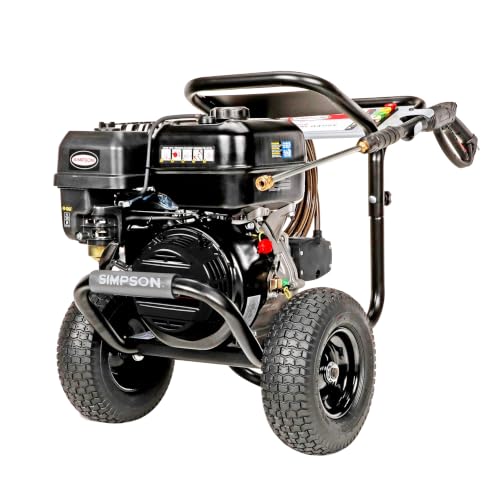

You have spent the summer blasting away dirt from your driveway, deck, and siding. Now winter is approaching, and you are wondering how to winterize a pressure washer. That is a smart question. Freezing temperatures can crack pumps, damage seals, and ruin your equipment if you do not take the right steps. This guide walks you through the process and shows you the best product to protect your investment.
Whether you own a gas-powered model or an electric one, winterization is essential. The key is to remove all water from the system and replace it with a protective solution. We will cover everything you need to know, from draining the pump to using a specialized pump guard. For more on choosing the right machine, see our guide on electric vs gas pressure washer.

Buying Guide
Why Winterization Matters
Water expands when it freezes. If any water remains inside your pressure washer pump, it can crack the housing, damage pistons, and ruin seals. A single freeze can cost you hundreds of dollars in repairs. Winterization prevents this by displacing water with a non-toxic antifreeze solution that lubricates and protects internal components.
Many pressure washer owners skip this step and regret it come spring. Taking 10 minutes to winterize your machine saves you time, money, and frustration. For a deeper look at pressure washer types, check out our best Simpson pressure washer guide.
Choosing the Right Pump Guard
Not all pump guards are created equal. You need a product specifically designed for pressure washers. The Simpson Pressure Washer Pump Guard 4 fl. oz. is formulated to protect pistons and seals while acting as an antifreeze down to -25°F. It works with both gas and electric pressure washers, making it a versatile choice for any homeowner.
Look for a pump guard that offers lubrication and corrosion protection. The Simpson product delivers on all fronts. It is easy to apply and comes in a convenient aerosol can. For more on heavy-duty cleaning, see our best commercial pressure washer recommendations.
Step-by-Step Winterization Process
Start by running the engine or motor until it is warm. Then, turn off the water supply and disconnect the hose. Pull the trigger to release any remaining pressure. Next, remove the high-pressure hose and drain any water from the pump. You can tilt the machine to help water escape.
Once the pump is dry, inject the Simpson Pump Guard into the hose input. Follow the instructions on the can. Finally, store your pressure washer in a dry, sheltered location. For a complete guide on usage, visit our how to use a pressure washer article.
Storage Tips for Longevity
Winterization is only part of the equation. Proper storage extends the life of your pressure washer. Keep it in a garage or shed where temperatures stay above freezing. If that is not possible, use a heavy-duty cover to protect against moisture and dust.
Also, drain the fuel tank or add a fuel stabilizer to prevent gumming. Check the oil level and change it if needed. For more advice, see our guide on how to choose a pressure washer.
Final Thoughts
Winterizing your pressure washer is a simple task that pays off big. By using the Simpson Pressure Washer Pump Guard 4 fl. oz., you protect your pump from freezing and ensure it starts right up next season. For those with electric models, the same product works just as well. Take the time now to safeguard your equipment and enjoy peace of mind all winter long.
Frequently Asked Questions
Can I use RV antifreeze in my pressure washer?
Yes, you can use RV antifreeze, but it may not provide the same lubrication and seal protection as a dedicated pump guard. The Simpson Pump Guard is specifically designed for pressure washer pumps and offers better protection.
Do I need to winterize an electric pressure washer?
Absolutely. Electric pressure washers have pumps that can freeze and crack just like gas models. The same winterization steps apply. For more on electric models, see our is an electric pressure washer worth it guide.
How long does pump guard last in storage?
Pump guard solutions typically last through an entire winter season. However, it is a good idea to check the pump before use in spring. If you see any signs of corrosion or dryness, apply a fresh coat.
Can I use the same pump guard for multiple pressure washers?
Yes, the Simpson Pump Guard is compatible with both gas and electric pressure washers. One can should be enough for a single machine. For multiple units, you may need more than one can.