
Picture this: you’re staring at a driveway stained with oil and grime, or a patio covered in slippery moss. You know a pressure washer would make quick work of it, but which type should you buy? The electric vs gas pressure washer debate is a classic one, and the answer depends on your specific needs. This guide will help you understand the trade-offs between power, convenience, and maintenance, so you can choose the right tool for your cleaning projects in 2026.
We’ve evaluated a range of top models from brands like Westinghouse, DEWALT, and Greenworks to give you a clear picture of what each type offers. Whether you’re a homeowner tackling weekend chores or a professional needing heavy-duty performance, we’ll break down the key factors to consider. If you’re already leaning toward gas, our guide to the best gas pressure washers for home use is a great next step.







Buying Guide: How to Choose Between Electric and Gas
Power and Pressure: PSI and GPM Explained
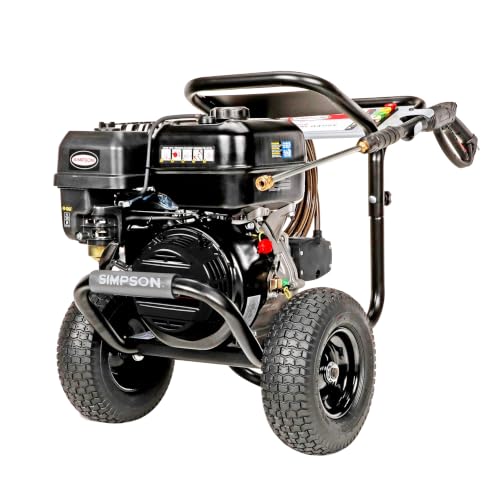
The two numbers that matter most are PSI (pounds per square inch) and GPM (gallons per minute). PSI measures the pressure, while GPM measures the water flow. Together, they determine cleaning power. Gas models, like the DeWalt 3300 PSI Gas Pressure Washer, 2.4 GPM, typically offer higher PSI and GPM, making them ideal for heavy-duty tasks like stripping paint or cleaning large concrete areas.
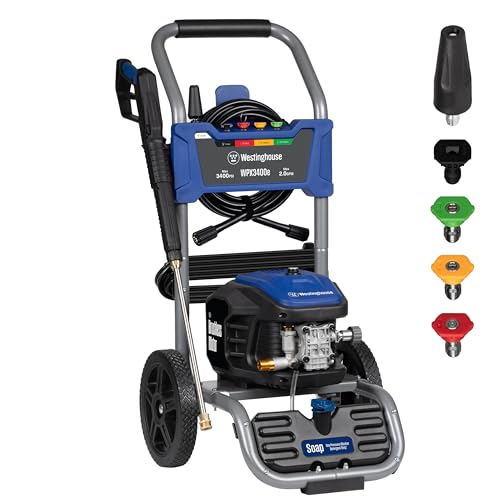
Electric models, such as the Westinghouse WPX3400e Electric Pressure Washer, are catching up, with some offering up to 4500 PSI. However, they often have lower GPM, which can affect how quickly you can rinse large surfaces. For most home tasks like washing cars, fences, or patios, an electric model with 2000-3000 PSI is sufficient. For more demanding jobs, gas power is the way to go.
Portability and Convenience
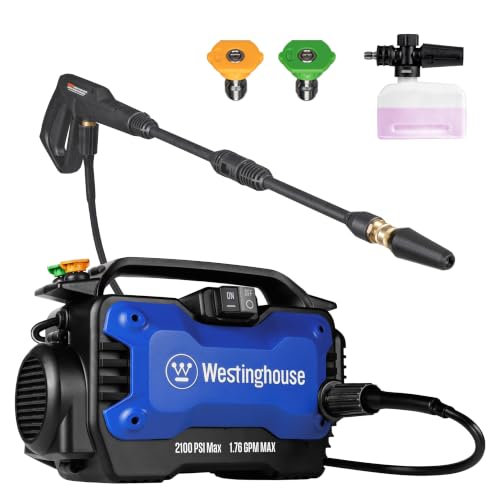
Electric pressure washers are generally lighter, more compact, and easier to store. They plug into a standard outlet, so you don’t have to deal with fuel or oil. Models like the Westinghouse ePX3100s Electric Pressure Washer weigh just 10 pounds and have built-in handles, making them perfect for grab-and-go cleaning. However, they are tethered to a power source, which can be limiting on large properties.
Gas models offer true portability, allowing you to clean anywhere without worrying about cords. They come with larger wheels and sturdy frames, like the 4200 PSI 4.0 GPM Gas Pressure Washer from IvyBess, which features 10-inch pneumatic tires for all-terrain mobility. But they are heavier, noisier, and require more maintenance, including oil changes and fuel management.
Maintenance and Longevity
Electric pressure washers are nearly maintenance-free. You don’t need to change oil, replace spark plugs, or worry about fuel stabilizers. The pump is often an axial design that requires little attention. Just store it in a dry place and protect it from freezing. This makes them a great choice for homeowners who want a reliable tool without the upkeep.
Gas models, on the other hand, demand regular care. You’ll need to check oil levels, change oil periodically, and use fresh fuel. The engine also requires occasional tune-ups. However, with proper maintenance, a gas pressure washer can last for many years and handle more demanding work. If you’re willing to put in the effort, gas offers unbeatable durability and power. For more on heavy-duty options, see our best commercial pressure washer roundup.
Environmental Impact and Running Costs
Electric pressure washers are eco-friendlier, producing zero emissions and operating quietly. They are also cheaper to run, as electricity is often less expensive than gasoline. For indoor or semi-enclosed areas, electric is the safer choice. Gas models emit fumes and are louder, but they offer greater power and are better for remote locations.
When considering long-term costs, factor in fuel, oil, and maintenance for gas models. Electric models have lower upfront costs and fewer ongoing expenses. However, gas models may be more cost-effective in the long run if you have frequent heavy-duty cleaning needs that require higher performance. For a deeper dive into electric options, check out our electric pressure washer category.
Final Thoughts
Choosing between electric and gas ultimately comes down to your cleaning needs and lifestyle. For most homeowners, an electric model like the Westinghouse WPX3400e Electric Pressure Washer offers a perfect balance of power, convenience, and low maintenance. If you have large surfaces, stubborn stains, or need maximum portability, the 4200 PSI 4.0 GPM Gas Pressure Washer from IvyBess delivers commercial-grade performance that won’t let you down. Whichever you choose, you’ll be well-equipped to tackle your outdoor cleaning projects with confidence.
Frequently Asked Questions
Is a gas pressure washer always more powerful than an electric one?
In general, gas pressure washers offer higher PSI and GPM, making them more powerful for heavy-duty tasks. However, some electric models, like the Electric Pressure Washer 4500PSI 2.8 GPM from Baococo, can match or exceed the pressure of many gas models. The main difference is flow rate, where gas models often have an edge, allowing faster rinsing.
Can I use an electric pressure washer for commercial purposes?
Yes, many electric models are built for commercial use, but you need to check their duty cycle and build quality. Models like the Greenworks 3000 PSI (2.0 GPM Max) are designed for frequent use, but gas models are often preferred for commercial jobs due to their higher flow rates and portability. For light commercial tasks, electric can be a cost-effective choice.
What is the best electric pressure washer for home use in 2026?
The Westinghouse ePX3500 Electric Pressure Washer is a top pick for home use, offering 2500 PSI and a compact design with anti-tipping features. It’s lightweight, easy to store, and comes with a 5-nozzle set, making it versatile for cars, fences, and patios. For more options, check our electric pressure washer category.
Are gas pressure washers worth the extra maintenance?
If you need maximum power and portability, yes. Gas models like the Westinghouse WPX3400 Gas Pressure Washer deliver high PSI and GPM, making them ideal for large driveways or heavy-duty cleaning. The maintenance is manageable, but it requires regular oil checks and fuel management. For occasional home use, an electric model is often more convenient and sufficient.