

You have a dirty driveway, a grimy car, or a moldy patio, and you are ready to clean it yourself. But when you start browsing pressure washers, the choices seem endless: gas or electric, corded or cordless, high PSI or high GPM. This guide is designed to help you cut through the confusion. We will walk through the essential factors to consider so you can confidently pick a pressure washer that fits your specific cleaning tasks and budget in 2026. If you are still unsure about the basics, our guide on what PSI pressure washer you need is a great place to start.




Buying Guide
Power Source: Gas vs. Electric vs. Cordless
The first major decision is the power source. Gas pressure washers offer high pressure and portability, ideal for large driveways or heavy-duty tasks. Electric models are quieter, lighter, and require less maintenance, perfect for routine car washing and patio cleaning near an outlet. Cordless models, like the WALFRONT Cordless Pressure Washer, 8000mAh, add the convenience of portability without gas fumes, but they have lower pressure and shorter run times. For a deeper comparison, check out our article on electric vs. gas pressure washers.
Pressure and Flow Rate: PSI and GPM
PSI (pounds per square inch) measures cleaning power, while GPM (gallons per minute) measures water volume. For most home tasks like washing cars or cleaning decks, a PSI between 1300 and 2000 is sufficient. For tougher jobs like stripping paint or cleaning concrete, you might need 2500 PSI or more. The WALFRONT cordless model offers three speed settings to adjust pressure for different surfaces, from a gentle 5 bar to a more powerful 13 bar. Remember, higher PSI is not always better; too much pressure can damage wood or car paint.
Essential Accessories: Nozzles, Foam Cannons, and Filters
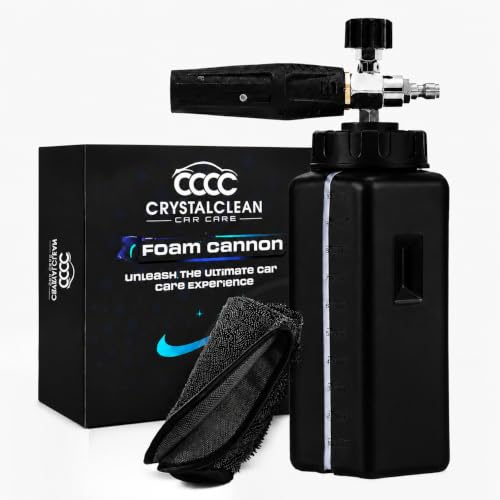
A pressure washer is only as good as its accessories. A set of quick-connect nozzle tips, like the 35Pcs Pressure Washer Head Pressure Washer Nozzle kit, lets you switch from a focused 0-degree jet for stubborn dirt to a wider 40-degree fan for rinsing. A foam cannon, such as the Foam Cannon for Pressure Washer, Thick Snow Foam, is a must for car enthusiasts; it applies a thick layer of soap to lift dirt before you touch the paint. Also, do not overlook a water filter like the BEETRO Garden Hose Filter for Pressure Washer Inlet. It prevents grit from entering the pump, which can cause expensive damage over time.
Maintenance and Repairs
Even the best pressure washer needs occasional maintenance. Knowing how to troubleshoot common issues can save you time and money. For gas models, a guide like Why Your Pressure Washer Won’t Start can help you diagnose problems. For any model, having a spare unloader valve, such as the Unloader Valve Pressure Washer Pumps Valve, is wise because this part regulates pressure and can wear out. For a comprehensive resource on both selection and repair, consider The Generator and Pressure Washer Bible. Understanding the difference between power sources also helps; read our comparison of pressure washers vs. power washers for clarity.
Final Thoughts
Choosing the right pressure washer comes down to matching the tool to your primary cleaning tasks. For most homeowners, a versatile electric model with a good set of nozzle tips and a foam cannon provides the best balance of power and convenience, while those needing maximum portability might prefer a cordless option like the WALFRONT. To protect your investment, always use a water inlet filter such as the BEETRO Garden Hose Filter. For comprehensive knowledge on keeping your machine running, The Generator and Pressure Washer Bible is an excellent resource that covers both selection and repair.
Frequently Asked Questions
What PSI pressure washer do I need for a car?
For washing a car, a pressure washer with a PSI between 1200 and 1900 is ideal. This range provides enough power to remove dirt without damaging the paint. Using a foam cannon with a car-safe soap also helps protect the clear coat.
Can I use a pressure washer with a garden hose?
Yes, most pressure washers connect to a standard garden hose. However, it is important to check the water flow rate (GPM) of your hose; a low flow rate can starve the pump and cause damage. Using a filter like the BEETRO Garden Hose Filter can help protect the pump from debris.
How often should I replace the nozzle tips on my pressure washer?
Nozzle tips can wear out over time, especially with frequent use or if you use hard water. Signs of wear include a change in spray pattern or reduced pressure. Replacing them every one to two years, or when you notice a performance drop, keeps your washer working efficiently. A set like the 35Pcs Pressure Washer Nozzle kit provides multiple replacements.
What is the difference between a pressure washer and a power washer?
The main difference is that a power washer uses hot water, while a pressure washer uses cold water. Hot water can be more effective for removing grease and oil, but for most home tasks, a cold water pressure washer is sufficient. For a detailed breakdown, see our guide on pressure washers vs. power washers.


