

You have a dirty driveway, a grimy car, or a patio covered in mildew, and you are ready to buy a cleaning machine. But then you hit a wall of confusing terminology: pressure washer vs power washer. Are they the same thing? Which one do you actually need? This guide clears up the confusion once and for all. We break down the technical differences, show you what to look for, and review eight top-rated electric models so you can make a confident choice for 2026.
If you are still weighing your options, check out our comparison of electric vs gas pressure washer to see which power source suits your lifestyle.





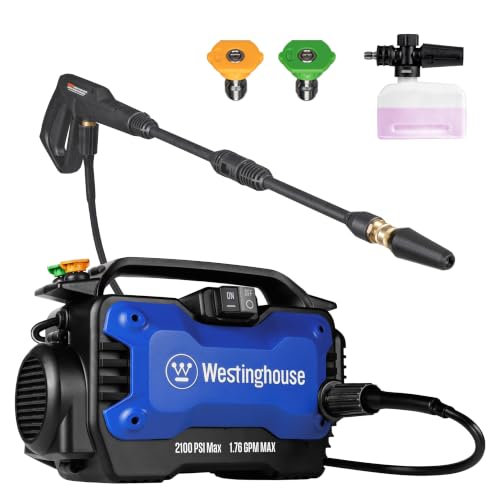

Buying Guide: What to Look for in a Pressure Washer or Power Washer
PSI and GPM: The Dynamic Duo of Cleaning Power
PSI (pounds per square inch) measures water pressure, while GPM (gallons per minute) measures water flow. Together, they determine cleaning power. For most home tasks like washing cars, patios, and fences, a machine with 1700-2100 PSI and 1.2-1.76 GPM is plenty. Higher PSI is great for stubborn stains on concrete, but too much can damage wood or car paint. Look for models that offer a turbo nozzle or adjustable spray patterns to dial in the right force for each job.
Portability and Storage: Corded vs Cordless
Corded electric pressure washers offer unlimited runtime and consistent power, but they tether you to an outlet. Cordless models, like the SEESII Cordless Pressure Washer 1500PSI, give you freedom to clean anywhere without dragging a cord. However, battery life is limited. If you have a large driveway or multiple cars, a corded unit with a long hose and power cord might be more practical. For quick jobs around the yard, a lightweight cordless option is a game changer.
For more on cordless options, see our cordless pressure washers category page.
Build Quality and Durability
You want a machine that will last through multiple seasons. Look for an axial pump (maintenance-free), a sturdy frame, and quality hoses that resist kinking. Brands like Westinghouse and CRAFTSMAN are known for reliable construction. Features like anti-tipping technology, never-flat wheels, and onboard storage for nozzles and cords add to long-term convenience. A 3-year warranty, like the one on many Westinghouse models, is a good sign of manufacturer confidence.
Versatility: Nozzles and Accessories
The best pressure washers come with a variety of quick-connect nozzles (0°, 15°, 25°, 40°) and a foam cannon for soap application. A turbo nozzle is a bonus for stubborn grime. Some models, like the Westinghouse ePX3500 Electric Pressure Washer, even include a pro-style steel wand and an onboard soap tank for heavy-duty cleaning. Make sure the unit is compatible with common accessories like surface cleaners and undercarriage washers if you plan to expand your cleaning arsenal.
Final Thoughts
In the pressure washer vs power washer debate, the real winner is the machine that fits your specific needs. For most homeowners, a corded electric model like the Westinghouse ePX3050 Electric Pressure Washer offers the best balance of power, portability, and value for cleaning cars, driveways, and patios. If you value total freedom from cords and have lighter cleaning tasks, the SEESII Cordless Pressure Washer 1500PSI is a fantastic grab-and-go companion. Whichever you choose, you will finally have the right tool to blast away dirt and reclaim your outdoor spaces.
Frequently Asked Questions
What is the difference between a pressure washer and a power washer?
In practice, the terms are often used interchangeably. Technically, a power washer uses heated water (often from a gas engine or electric motor with a heating element), while a pressure washer uses cold water. For most home use, a cold water pressure washer is sufficient and more common. The machines we recommend in this guide are all cold water electric pressure washers.
Which is better for washing a car: pressure washer or power washer?
A pressure washer with adjustable pressure (around 1500-2000 PSI) is ideal for car washing. You want enough power to remove dirt without damaging paint. Use a wide-angle nozzle (25° or 40°) and a foam cannon for a safe, effective clean. Avoid high-pressure turbo nozzles on car paint. For more tips, read our ryobi 2300 PSI electric pressure washer review for a model that works well on vehicles.
Can I use a pressure washer to clean my driveway?
Absolutely. Driveways are one of the most common uses for a pressure washer. A machine with at least 1700 PSI and a turbo nozzle or surface cleaner attachment will remove oil stains, mold, and dirt quickly. For large areas, a corded model with a long hose (20-35 feet) and a 35-foot power cord gives you the reach you need without moving the unit constantly.
How do I maintain my pressure washer?
After each use, flush the system with clean water to remove detergent residue. Store the machine in a dry, frost-free area to prevent pump damage. For electric models, check the hose for kinks and clean the inlet filter regularly. Following the manufacturer’s maintenance schedule will extend the life of your pressure washer for years.


