

You have a dirty driveway, a grimy fence, or a car covered in road salt, and you need a cleaning solution that works fast. A high quality electric pressure washer is the answer, offering powerful water flow without the maintenance of a gas model. This guide reviews the best options for 2026, helping you choose the right one for your home cleaning tasks.
Whether you are washing patio furniture or prepping a deck for staining, the right pressure washer saves time and effort. We have evaluated top brands like Westinghouse, LWQ, and Greenworks to find models that deliver strong performance and durability. For a broader look at your options, check out our guide to top medium duty electric pressure washers for 2026.





Buying Guide
Pressure and Flow Rate
The cleaning power of an electric pressure washer is measured by PSI (pounds per square inch) and GPM (gallons per minute). Higher PSI handles tough stains on concrete, while higher GPM speeds up rinsing. For most home tasks like cleaning cars or fences, a model with 2000 to 3000 PSI and 1.5 to 2.0 GPM offers an excellent balance of power and efficiency.
Consider the specific jobs you do most. For heavy-duty cleaning of driveways or siding, a higher PSI is beneficial. For washing vehicles or patio furniture, a moderate PSI with a wide spray pattern works well. You can learn more about specialized cleaning in our article on the best pressure washer for RV in 2026.
Portability and Storage
Electric pressure washers are generally lighter than gas models, but portability still matters. Look for units with sturdy wheels, ergonomic handles, and compact frames. Models with onboard storage for hoses, nozzles, and cords make setup and cleanup much easier, especially if you have limited garage or shed space.
A lightweight design with a built-in handle lets you move the washer around your property without strain. Some models feature anti-tipping bases and never-flat wheels for stability on uneven ground. For a deeper look at portable options, see our guide to the best electric pressure washer with water tank for 2026.
Accessories and Nozzles
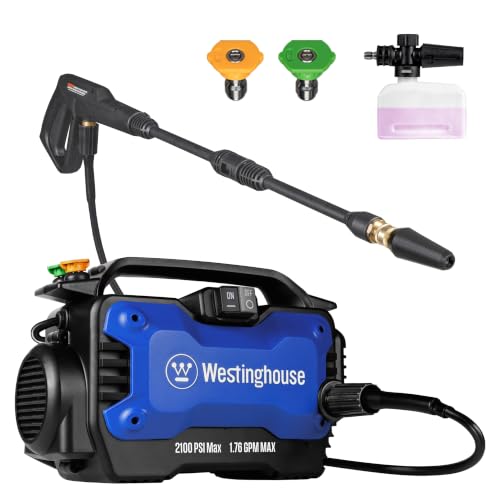
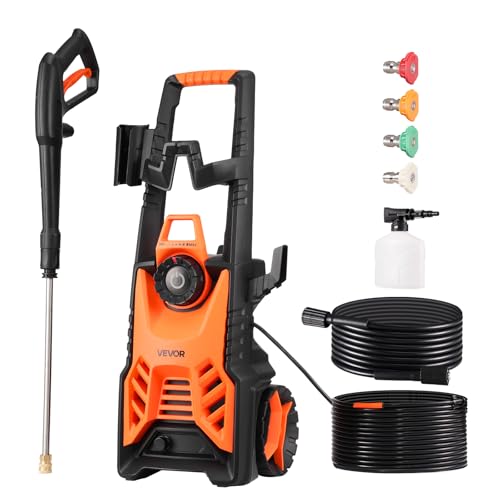
The included accessories greatly expand a pressure washer’s versatility. Quick-connect nozzles in angles from 0 to 40 degrees let you switch from a focused jet to a wide fan spray. A turbo nozzle boosts cleaning power for stubborn grime, and a foam cannon applies detergent for deep cleaning of cars or siding.
Some models come with onboard soap tanks for continuous detergent application, while others use detachable foam cannons. Having the right nozzle set means you can tackle everything from delicate patio furniture to tough driveway stains. For more on specialized cleaning, check our article on the best pressure washer for exposed aggregate in 2026.
Final Thoughts
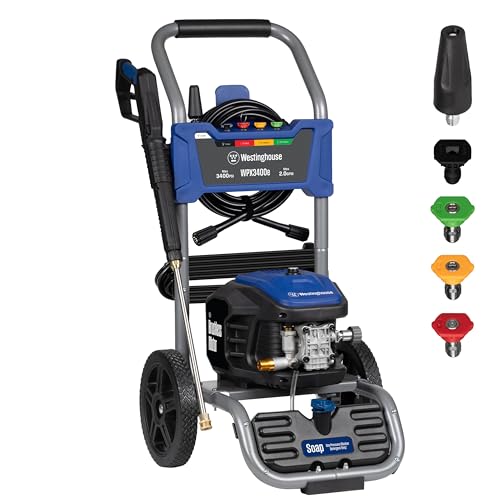
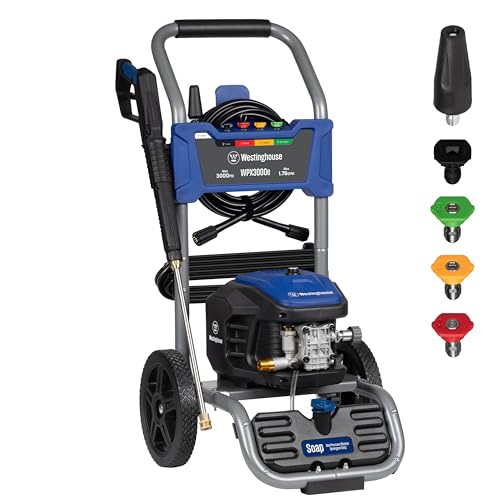
After evaluating the top models, our recommendation depends on your primary use. For a balance of power and portability, the Westinghouse ePX3050 Electric Pressure Washer stands out with its solid performance and compact design, ideal for most home tasks. If you need maximum cleaning strength for larger jobs like driveways and siding, the Westinghouse WPX3400e Electric Pressure Washer delivers exceptional PSI and flow rate, making it a powerhouse for heavy-duty cleaning.
Frequently Asked Questions
Can I use an electric pressure washer with a bucket of water? Yes, many electric pressure washers include a siphon hose that allows you to draw water from a bucket or other container. This is useful when a garden hose connection is not available, but be sure to check the manufacturer’s instructions for proper use.
What is the difference between PSI and GPM? PSI measures the water pressure, which determines how forcefully water hits a surface. GPM measures the flow rate, or how much water is used per minute. Both contribute to cleaning effectiveness: higher PSI blasts away dirt, while higher GPM rinses it off faster.
How do I maintain my electric pressure washer for 2026? Regularly check the hose and connections for leaks, and clean the inlet filter to prevent debris from entering the pump. After each use, run clean water through the system to remove any detergent or residue. Store the unit in a dry, protected area to extend its life.
Can I use bleach or other chemicals in my pressure washer? Some models allow you to add chemicals like bleach to the detergent tank, but never pass these through the pump. Always use the soap applicator or foam cannon designed for chemicals, and follow the manufacturer’s guidelines to avoid damage.


