
You’ve got a dirty driveway, a grimy car, or a fence that hasn’t seen a good wash in years. You reach for a pressure washer, but the one you have just doesn’t cut it. The water flow feels weak, and you spend hours on a job that should take minutes. That’s where the flow rate, measured in GPM (gallons per minute), makes all the difference. In this guide, we’ll focus on the best electric pressure washer with high GPM, so you can tackle tough cleaning tasks efficiently. We’ll review top models from Westinghouse, Greenworks, and LWQ, breaking down what makes each one stand out. Whether you’re a homeowner or a car enthusiast, this guide is for you.




Buying Guide: What to Look for in a High GPM Electric Pressure Washer
1. GPM vs. PSI: Why Flow Rate Matters
When you’re choosing a pressure washer, you’ll see two key numbers: PSI (pounds per square inch) and GPM (gallons per minute). PSI measures the pressure, which is great for blasting off tough grime. But GPM measures the water flow, which is what actually rinses away the dirt. A high GPM means you can cover more area faster, and it’s often more important than PSI for cleaning large surfaces like driveways or siding. For the best results, look for a model that balances both, but if you have to choose, prioritize GPM for speed and efficiency.
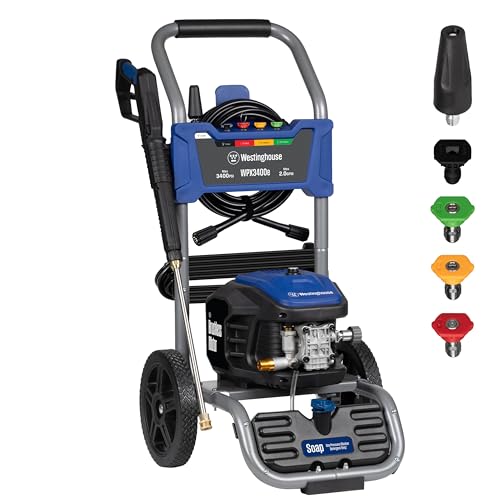
For example, the Westinghouse WPX3400e delivers up to 2.0 GPM, which is excellent for residential tasks. This flow rate, combined with its 3400 PSI, makes it a powerhouse for heavy-duty cleaning. If you’re tackling big jobs, a higher GPM will save you time and effort. Check out our guide on the best time to buy a pressure washer to plan your purchase strategically.
2. Motor Type: Brushless vs. Induction
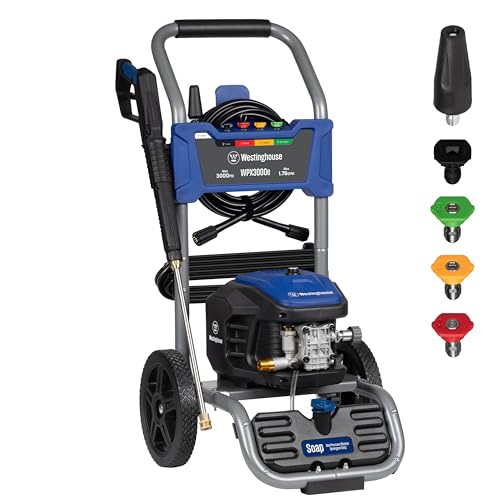
The motor is the heart of an electric pressure washer, and the type of motor affects longevity and performance. Brushless motors, like the one in the Greenworks 3000 PSI model, are more efficient, quieter, and last longer than traditional brushed motors. They also generate less heat, which is a plus during extended use. On the other hand, induction motors are also durable and offer consistent power, as seen in the Westinghouse WPX3000e. Both are great choices, but brushless is often preferred for its maintenance-free operation.
When you’re comparing models, check the motor type and consider how often you’ll use the washer. If you’re a weekend warrior, a brushless motor is a worthwhile investment. For a deeper dive into motor quality, you might also be interested in our article on pressure washers with triplex pumps, which are known for their durability.
3. Hose Length and Reach
You don’t want to be constantly moving the machine around or fighting with a short hose. A longer hose gives you more flexibility, especially when cleaning cars or reaching second-story windows. Look for models with at least a 20-foot hose, like the Westinghouse ePX3100v, which has a 20-foot hose, or the Greenworks model with a 25-foot Uberflex hose that resists kinking. A longer power cord also helps, so you don’t need an extension cord for every job.
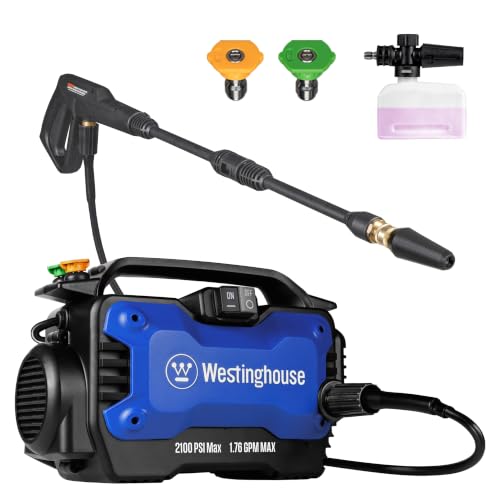
For example, the Westinghouse ePX3100s comes with a 35-foot power cord and a 20-foot hose, giving you plenty of reach to move around your driveway or patio. This is a key feature if you have a large property. If you’re also considering a foam cannon for your car washes, our guide to the best electric pressure washer for foam cannon can help you find a model that pairs well.
4. Portability and Storage
Electric pressure washers are generally more compact than gas models, but portability still varies. Some models, like the Westinghouse ePX3100s, weigh just 10 pounds and have a built-in handle, making them easy to grab and go. Others, like the WPX3400e, feature a rugged steel frame with large wheels for easy maneuvering around your yard. Consider where you’ll store the washer and how often you’ll move it. If you have limited storage space, a compact model with a cord wrap and nozzle holders is a smart pick.
The LWQ Pressure Washer, Portable Power Washer, includes dual rollers and an anti-tipping base, which adds stability and makes it easy to move. It also has a power cord hook and nozzle holders, so everything stays organized. For more on portable options, check out our top rated cordless pressure washers if you’re looking for even more flexibility.
Final Thoughts
When you’re after the best electric pressure washer with high GPM, the Westinghouse WPX3400e stands out as a top pick for its 2.0 GPM flow rate and robust 3400 PSI, making it ideal for heavy-duty tasks like cleaning driveways and siding. If you prefer a lighter, more portable option that still delivers solid performance, the Westinghouse ePX3100s offers 1.76 GPM in a compact 10-pound package, perfect for quick cleanups and smaller spaces. Both models come from a trusted brand with a solid warranty, so you can buy with confidence.
Frequently Asked Questions
What is a good GPM for an electric pressure washer?
A good GPM for most residential tasks is around 1.8 to 2.0 GPM. This range provides enough water flow to rinse away dirt efficiently without wasting water. If you’re cleaning large areas like driveways or siding, a higher GPM, such as 2.0, will speed up the job significantly.
Is higher GPM better for pressure washers?
Yes, higher GPM is generally better because it increases the cleaning speed and effectiveness. More water flow helps lift and wash away debris, reducing the time you spend on each surface. However, higher GPM also means more water usage, so consider your water supply and the size of the task.
Can I use a high GPM pressure washer for my car?
Absolutely, a high GPM pressure washer is great for cars, as it provides a strong rinse that removes soap and dirt without damaging the paint, as long as you use the correct nozzle and keep the pressure low. Models like the Westinghouse ePX3100s with a foam cannon are perfect for car washing, offering a gentle but effective clean. For more car care tips, see our guide on westinghouse WPX2300e review for a similar model.
How many GPM do I need to clean a driveway?
For a driveway, a GPM of at least 1.8 is recommended to effectively remove embedded dirt and grime. A 2.0 GPM model, like the Greenworks 3000 PSI, will clean faster and more thoroughly, especially when combined with a turbo nozzle. This flow rate ensures you can cover the surface quickly and achieve a spotless finish.