

You’ve just spent an afternoon scrubbing your driveway on your hands and knees, and you’re wondering if there’s a better way. Or maybe you’re tired of paying for car washes that never quite get the grime off your wheels. If this sounds familiar, you’ve probably asked yourself: is an electric pressure washer worth it? The short answer is yes, and in this guide, we’ll explain why, what to look for, and which models stand out in 2026.
We’ve reviewed a range of electric pressure washers from top brands like Westinghouse, Greenworks, and Baococo, focusing on real-world cleaning power, ease of use, and durability. Whether you’re a homeowner tackling outdoor chores or a car enthusiast, this guide will help you decide if an electric pressure washer deserves a spot in your garage. And if you’re new to pressure washing, check out our step-by-step guide on how to use a pressure washer to get started on the right foot.





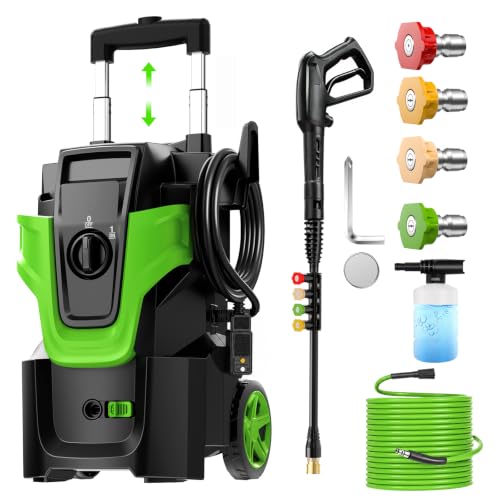
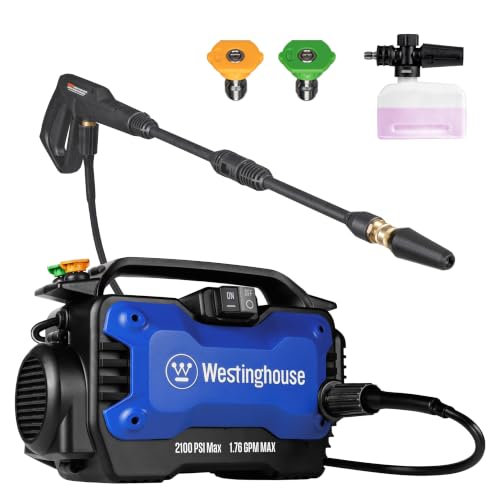


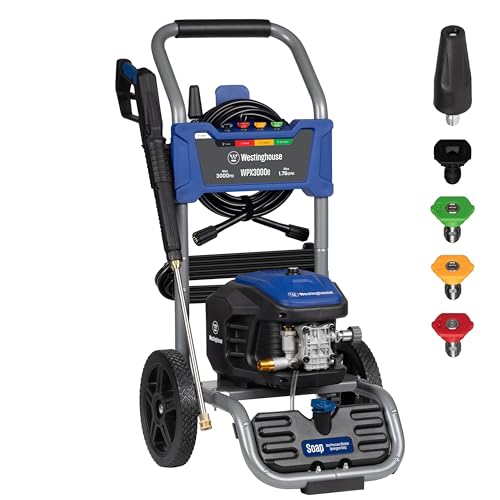
Buying Guide: What to Consider Before Buying an Electric Pressure Washer
Pressure and Flow Rate: PSI and GPM
The two numbers that matter most are PSI (pounds per square inch) and GPM (gallons per minute). PSI determines how much force the water hits the surface with, while GPM measures how much water flows. Together, they define cleaning power. For most home tasks like driveways, decks, and cars, you’ll want at least 1800 PSI and 1.2 GPM.
Higher PSI isn’t always better; too much pressure can damage wood or paint. That’s why many models offer adjustable nozzles. If you’re unsure how much power you need, our guide on choosing the right PSI can help you match the machine to your tasks.
Portability and Storage
Electric pressure washers are generally lighter and more compact than gas models, making them easy to store in small spaces. Look for models with wheels, handles, or even built-in carry handles for easy transport. The Westinghouse ePX3100v, for example, weighs just 18 pounds and has a built-in handle, so you can move it around your property without breaking a sweat.
Consider the length of the power cord and hose, too. A longer cord and hose mean you can reach more areas without moving the unit. Some models, like the Toyqqeow 5000 PSI, offer 35-foot cords and 33-foot hoses, giving you plenty of reach.
Nozzles and Accessories
Most electric pressure washers come with quick-connect nozzles that let you switch between different spray patterns. A 0° nozzle provides a concentrated jet for tough stains, while a 40° nozzle is gentler for rinsing. Many models also include a foam cannon or soap tank, which is a game-changer for washing cars or applying detergent to siding.
When comparing models, check what’s included. Some, like the Westinghouse ePX3050, come with a foam cannon and turbo nozzle, while others offer a full set of five nozzles. Having the right accessories can make your cleaning faster and more effective.
Durability and Maintenance
Electric pressure washers with induction motors or brushless motors tend to last longer and require less maintenance than those with universal motors. Look for models with an auto-stop feature that shuts off the pump when you release the trigger, which saves energy and prolongs the pump’s life. Many Westinghouse models, including the ePX3500 and ePX3100, feature this technology.
Also, consider the warranty. Westinghouse backs many of their pressure washers with a 3-year limited warranty, which gives you peace of mind. For a deeper dive into how electric models compare to gas, read our electric vs. gas pressure washer comparison.
Final Thoughts
So, is an electric pressure washer worth it? Absolutely, especially if you value convenience, lower noise, and zero fumes. For most homeowners, a reliable model like the Westinghouse ePX3050 Electric Pressure Washer offers the perfect balance of power and portability for everyday chores. If you need extra muscle for tougher jobs, the Electric Pressure Washer 4500PSI 2.8 GPM delivers professional-grade performance at a budget-friendly price. Whichever you choose, you’ll wonder how you ever lived without one.
Frequently Asked Questions
Is an electric pressure washer powerful enough for concrete driveways?
Yes, most electric pressure washers with at least 2000 PSI can handle concrete driveways, especially when paired with a turbo nozzle or a 15° nozzle. Models like the Westinghouse ePX3500 deliver 2500 max PSI, which is plenty for removing years of grime. For stubborn oil stains, you may need a surface cleaner attachment.
Can I use an electric pressure washer to wash my car?
Absolutely. Electric pressure washers are actually ideal for car washing because they provide enough pressure to remove dirt without damaging the paint, as long as you use a wide-angle nozzle (like 40°) and keep the wand at a safe distance. Many models come with a foam cannon, like the Westinghouse ePX3100s, which makes the job even easier.
How does an electric pressure washer compare to a gas one?
Electric models are quieter, lighter, and require less maintenance than gas models. They start instantly with the pull of a trigger, and there’s no need to mix fuel or change oil. However, gas models typically offer higher PSI and GPM, making them better for heavy-duty, continuous use. For most home tasks, an electric model is more than sufficient. Learn more in our pressure washer vs. power washer breakdown.
What maintenance does an electric pressure washer require?
Electric pressure washers are low-maintenance. After each use, you should disconnect the hose and let the pump run for a few seconds to expel any remaining water. Store it in a dry, frost-free place. Some models have an auto-stop pump that reduces wear. Also, check the inlet filter regularly for debris to keep the pump running smoothly.


