
Imagine you run a landscaping business and need to clean a fleet of trucks, a long driveway, and multiple patios every week. An ordinary home-grade pressure washer will slow you down. This guide covers the best pressure washer for commercial use, comparing gas and electric models from top brands like SIMPSON, Westinghouse, and Steupoek. Whether you are a contractor or a property manager, we have picks that deliver the power and durability you need. For more on electric options, check our best electric pressure washer forum.




Buying Guide
Pressure and Flow Rate
For commercial use, you need high PSI (pounds per square inch) and GPM (gallons per minute). PSI handles tough dirt; GPM rinses it away faster. Look for at least 3500 PSI and 3.0 GPM for heavy-duty tasks. The Best Gas High Pressure Washer guide covers models that excel in these metrics.
Gas-powered units typically offer higher PSI and GPM than electric ones. However, electric models can be sufficient for lighter commercial jobs like cleaning vehicles or small patios. Consider your typical workload before choosing.
Engine and Pump Quality
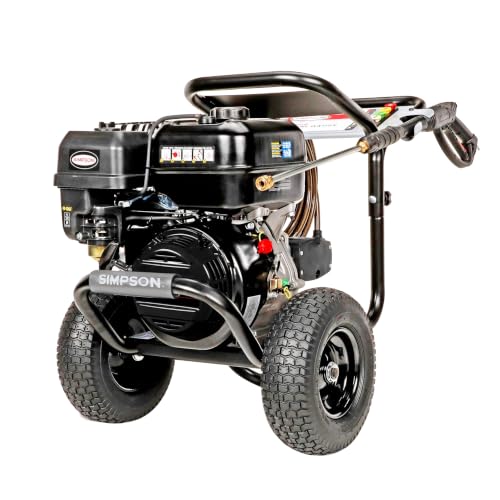
A commercial pressure washer needs a reliable engine and pump. Look for brands like SIMPSON with Honda or CRX engines and AAA triplex pumps. These components handle continuous use and resist overheating. The Best Gas Powered Pressure Washer for Home Use article also highlights durable pump designs.
Electric models with induction motors and axial pumps are quieter and require less maintenance. They are ideal for indoor or noise-sensitive environments. Always check for thermal relief valves to prevent pump damage during extended use.
Portability and Durability
Commercial jobs often require moving the washer between sites. A sturdy steel frame with large pneumatic tires makes transport easier. Look for models with never-flat tires and a compact design. For more on entry-level options, see our Best Entry Level Pressure Washer guide.
Also consider the hose length and storage. A 50-foot hose gives you reach without moving the machine. Built-in holders for nozzles and wands keep everything organized. Gas models are heavier but offer more power, while electric ones are lighter and easier to store.
Warranty and Support
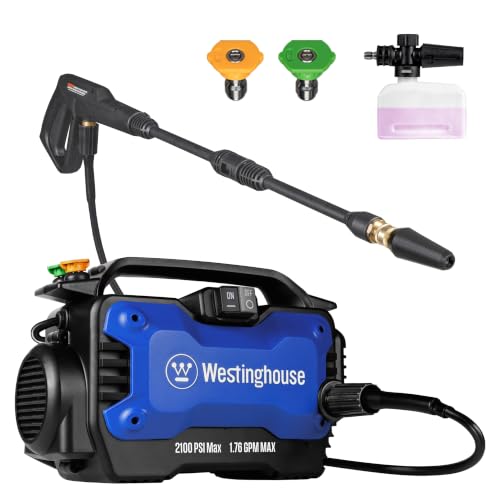
A commercial pressure washer is an investment. Look for a warranty of at least two years. Brands like Westinghouse offer three-year limited coverage. Check for nationwide service centers. For more on gas options, visit Gas Pressure Washers.
Customer reviews can reveal real-world reliability. Choose models with high ratings and positive feedback on durability. Avoid brands with poor support records.
Final Thoughts
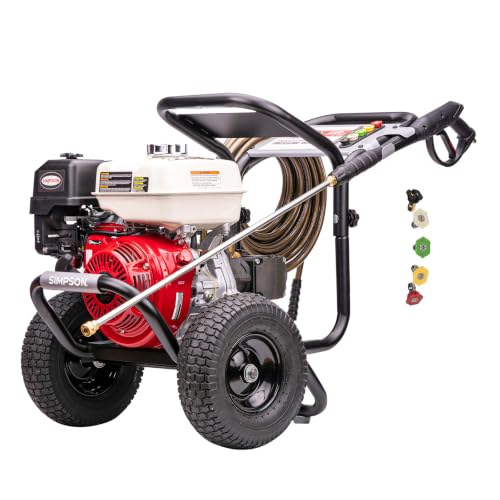
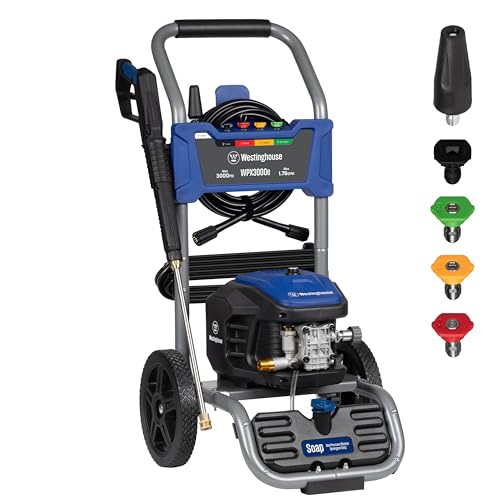
After evaluating these models, the Simpson PowerShot 4400 PSI Gas Pressure Washer stands out for heavy-duty commercial jobs with its powerful CRX engine and AAA pump. For a more portable electric option that still handles tough tasks, the Westinghouse ePX3500 Electric Pressure Washer offers excellent value and anti-tipping design. Choose based on your power needs and mobility requirements.
Frequently Asked Questions
What PSI is best for commercial pressure washing?
For most commercial tasks like cleaning driveways, decks, and equipment, look for at least 3500 PSI. Higher PSI, like 4000 or 4200, handles tough stains and paint prep. In 2026, many gas models offer up to 4200 PSI for heavy-duty use.
Should I choose a gas or electric commercial pressure washer?
Gas models provide higher pressure and flow rates, ideal for large jobs without power outlets. Electric models are quieter, lighter, and require less maintenance. For most commercial applications, gas is preferred for its power and mobility. See our Best Gas High Pressure Washer for top picks.
How long should a commercial pressure washer last?
With proper maintenance, a commercial pressure washer can last 5 to 10 years. Key factors include engine quality, pump type, and regular care like changing oil and cleaning nozzles. Brands like SIMPSON and Westinghouse are known for durability.
What accessories do I need for commercial pressure washing?
Essential accessories include a surface cleaner for large flat areas, a turbo nozzle for tough grime, and a foam cannon for detergent application. A longer hose and extension wand can improve reach. Most commercial units come with a set of quick-connect nozzles.