
Imagine looking up at your roof after a long winter and seeing dark streaks of algae, moss, and grime. Not only does it look unsightly, but those growths can damage shingles over time. Cleaning your roof restores your home’s curb appeal and extends its life. But you can’t just use any garden hose. You need a machine that delivers enough pressure to strip away stubborn organic matter without damaging your roofing materials. This guide covers the best pressure washer for roof cleaning in 2026, from heavy-duty gas models to versatile electric units. Whether you’re a homeowner tackling seasonal maintenance or a pro looking for commercial-grade gear, we have you covered. For more on gas-powered options, check out our guide on best gas pressure washer brands.




Buying Guide
Pressure and Flow Rate
For roof cleaning, you need enough pressure to dislodge moss and algae, but not so much that you damage shingles. Look for a machine with adjustable pressure settings or a range of nozzles. A unit like the 4200 PSI 4.0 GPM Gas Pressure Washer offers high pressure for tough jobs, but you can dial it down with the right nozzle. For electric models, the Kärcher K 5 FC 2000 PSI High-Performance Electric provides a balanced 2000 PSI that’s safe for most roofs. Flow rate matters too: higher GPM (gallons per minute) means faster rinsing. A good range is 2.0 to 4.0 GPM, depending on the size of your roof.
Portability and Reach
Roof cleaning often requires moving around the house and reaching high areas. Look for a pressure washer with large wheels and a sturdy frame for easy transport. Gas models like the 4200PSI 4.0GPM Gas Pressure Washer come with pneumatic tires that roll over grass and gravel. Also check the hose length: a 25-foot or longer hose lets you cover more ground without moving the machine. For cordless convenience, the Portable Pressure Washer with Tank is self-contained and easy to maneuver.
Fuel Type and Power Source
Gas pressure washers offer the highest power and mobility, ideal for large or heavily soiled roofs. They run on gasoline and require engine oil, but they deliver consistent pressure without being tethered to an outlet. Electric models are quieter, lighter, and require less maintenance, making them suitable for smaller roofs or occasional use. For commercial or heavy-duty jobs, consider a hot water pressure washer like the Powerhorse Hot Water Pressure Washer, 3,600 PSI or the NorthStar Wet Steam/Hot Water Pressure Washer, which use heat to dissolve grease and grime. For more on electric options, see our best rated electric pressure washer picks.
Nozzles and Accessories
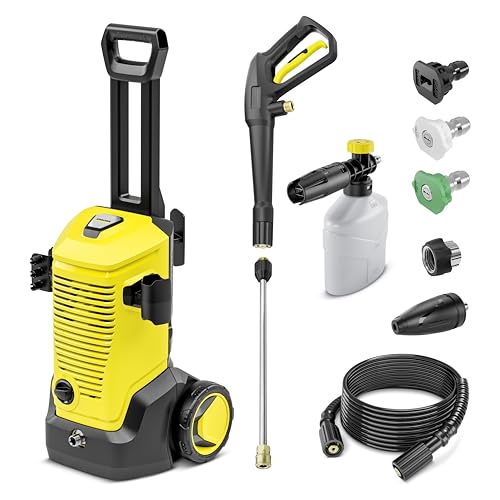
Roof cleaning requires precise control. Look for a pressure washer that includes multiple quick-connect nozzles (0°, 15°, 25°, 40°, 60°) so you can adjust the spray pattern. A turbo nozzle or rotating brush can help agitate moss without damaging shingles. Also consider a foam cannon for applying cleaning solutions. Many models, like the Active 2.0 GPM Electric High-Pressure Washer, come with universal connections that accept aftermarket accessories.
Final Thoughts
Choosing the best pressure washer for roof cleaning comes down to your specific needs: for powerful, gas-driven performance on large or dirty roofs, the 4200 PSI 4.0 GPM Gas Pressure Washer delivers unmatched cleaning force, while the Kärcher K 5 FC 2000 PSI High-Performance Electric offers a quieter, more manageable option for regular maintenance. Whichever you choose, always use the correct nozzle and technique to protect your roof and achieve professional results.
Frequently Asked Questions
Can I use a pressure washer on my roof?
Yes, but you must use the right pressure setting and nozzle. A pressure washer with adjustable pressure or a wide-angle nozzle (40° or 60°) is safe for asphalt shingles. Avoid using a zero-degree nozzle, which can damage roofing materials. Always work from a stable ladder or platform.
What PSI is best for roof cleaning?
For most residential roofs, 1200 to 2000 PSI is sufficient. Higher pressures (up to 4200 PSI) can be used with the correct nozzle and technique, but they require more care. For delicate surfaces like slate or tile, stick to lower pressures. Our pressure washers category page has more details on choosing the right PSI.
Should I use hot water for roof cleaning?
Hot water can help dissolve algae and moss more effectively than cold water, especially in cooler climates. However, most residential pressure washers use cold water. If you frequently clean roofs or have stubborn growth, consider a hot water model like the Powerhorse or NorthStar units. For occasional use, cold water with a cleaning solution works well.
How often should I clean my roof?
It depends on your climate and surroundings. In humid or wooded areas, algae and moss can grow quickly, so annual cleaning may be needed. In drier climates, every two to three years is usually enough. Regular inspections after storms can help you spot problems early. For more tips, see our guide on powerhorse hot water pressure washer review.