

You have a stubborn oil stain on the driveway, moss creeping across the patio, or peeling paint on the siding that just won’t budge. An electric washer might handle light jobs, but for serious outdoor cleaning, you need the raw force of a gas cold water pressure washer. These machines deliver high pressure and high flow to obliterate grime in seconds, saving you hours of elbow grease.
In this guide, we break down the top gas cold water pressure washers of 2026, covering everything from compact residential units to commercial-grade beasts. Whether you’re a homeowner tackling weekend projects or a contractor needing reliable power, our picks will help you choose the right tool for the job. We’ve analyzed specs, engine quality, pump durability, and real-world usability to bring you a curated list. For more insights on engine choices, check out our guide to gas pressure washers with Honda engines.



Buying Guide: What to Look for in a Gas Cold Water Pressure Washer
Choosing the right gas cold water pressure washer can feel overwhelming with so many specs and features. Here are the key factors we evaluate to help you make an informed decision.
Pressure (PSI) and Flow (GPM): The Dynamic Duo
PSI (pounds per square inch) measures the force of the water, while GPM (gallons per minute) measures the volume. Together, they determine cleaning power. For heavy-duty tasks like stripping paint or cleaning concrete, you want at least 3000 PSI and 2.5 GPM. Higher numbers mean faster cleaning, but also require more caution on delicate surfaces.
For most residential jobs, a unit with 3200 to 3400 PSI is a sweet spot. If you need commercial-level performance, look for 4000 PSI and above with a higher GPM. Our Westinghouse WPX3600 review offers a solid example of a balanced unit in this range.
Engine and Pump Quality: The Heart and Soul
The engine drives the pump, and both need to be reliable. Look for engines from reputable brands like Honda, or those with OHV technology for easier starts and longer life. The pump is equally critical: axial cam pumps are common and affordable, while triplex plunger pumps are more durable and suited for professional use.
Features like thermal relief valves and low-oil shutdown protect your investment. A well-built engine and pump combo ensures your washer starts easily and lasts for years, even with regular use.
Portability and Build Quality
You’ll be moving your pressure washer around the property, so sturdy wheels and a solid frame matter. Pneumatic tires handle rough terrain better than hard plastic wheels. A welded steel frame with a powder-coated finish resists rust and withstands the vibrations of a powerful engine.
Also consider the hose length and storage options. A longer hose means less moving the machine, and built-in hooks or reels keep everything tidy. For tips on cleaning specific surfaces, our guide to gas pressure washers for vinyl siding provides useful insights.
Final Thoughts
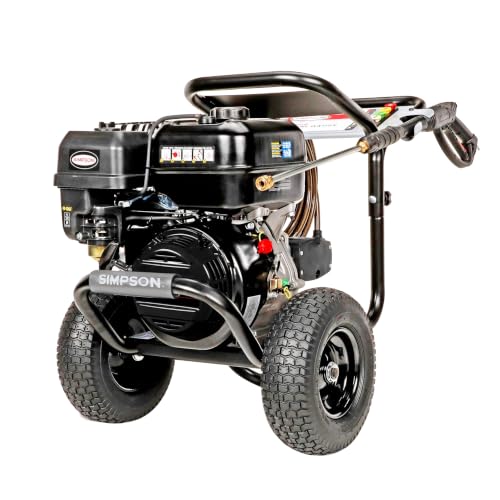
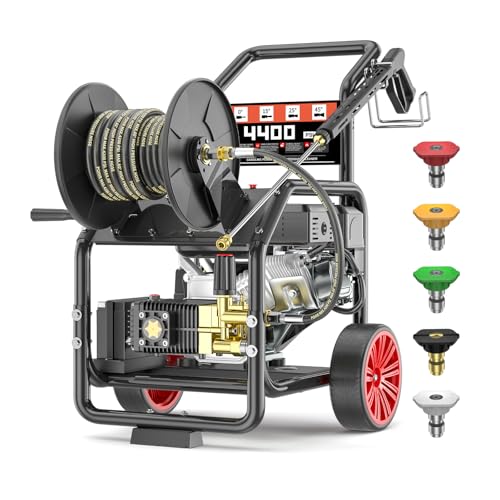
After comparing the top models, the 4200 PSI 4.0 GPM Gas Pressure Washer stands out for its exceptional power-to-price ratio, making it a favorite for homeowners who want commercial-grade results without breaking the bank. For professionals or those tackling the toughest jobs, the Simpson PowerShot 4400 PSI Gas Pressure Washer offers unmatched durability and performance. Whichever you choose, a gas cold water pressure washer will transform your outdoor cleaning routine.
Frequently Asked Questions
Can I use a gas pressure washer with cold water only?
Yes, gas cold water pressure washers are designed to use ambient temperature water. They are perfect for most outdoor cleaning tasks, as the high pressure does the heavy lifting. Hot water units are typically reserved for specialized industrial applications.
What PSI do I need to clean a driveway?
For concrete driveways, a pressure washer with at least 3000 PSI is recommended to remove oil stains, mildew, and embedded dirt. Models in the 3400 to 4200 PSI range, like the ones we reviewed, deliver outstanding results. Check out our Westinghouse WPX3200 review for a solid mid-range option.
How often should I perform maintenance on my gas pressure washer?
Regular maintenance is key to longevity. Change the oil after the first 20 hours of use, then annually or every 100 hours. Check the air filter, spark plug, and pump oil regularly. Always run the engine dry of fuel before storage to prevent carburetor issues.
Are gas pressure washers safe for all surfaces?
No, high pressure can damage soft surfaces like wood, vinyl, or car paint. Use lower pressure nozzles (40° or soap) for delicate tasks and reserve high-pressure nozzles (0°, 15°) for tough surfaces like concrete. Always start with a wide spray pattern and test on an inconspicuous area first.

